
What Is Naturalization?
Naturalization means changing how we care for select green spaces to create more sustainable, lower-maintenance landscapes.
Rather than regularly mowing every area throughout the growing season, high-maintenance, or awkward shrub beds and greenspaces in less visible areas, will be allowed to return to a more natural state. This approach supports long-term sustainability of our Parks efforts in terms of cost and time and reduces upkeep and manhours.
Why is this Being Done?
Naturalization helps us:
- Use our staff time and resources where they’re needed most
- Lower long-term maintenance and equipment costs
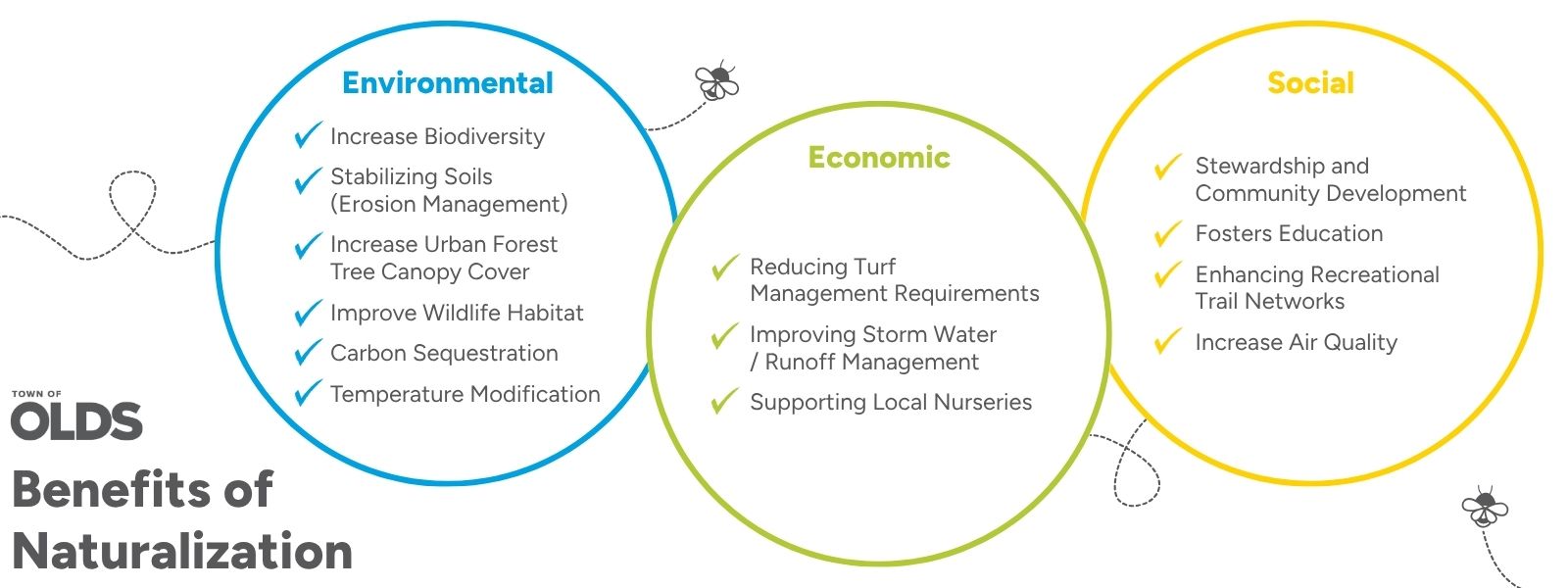
- Improve biodiversity and support pollinators
- Reduce fuel use and emissions from mowing
It also supports Council’s focus on service responsiveness and financial sustainability. This approach supports responsible stewardship of Town green spaces while balancing environmental benefits, maintenance needs and long-term costs.
What Can Residents Expect?
- You won’t lose usable green space. Naturalization focuses on low-use or difficult-to-maintain areas, not parks or sports fields.
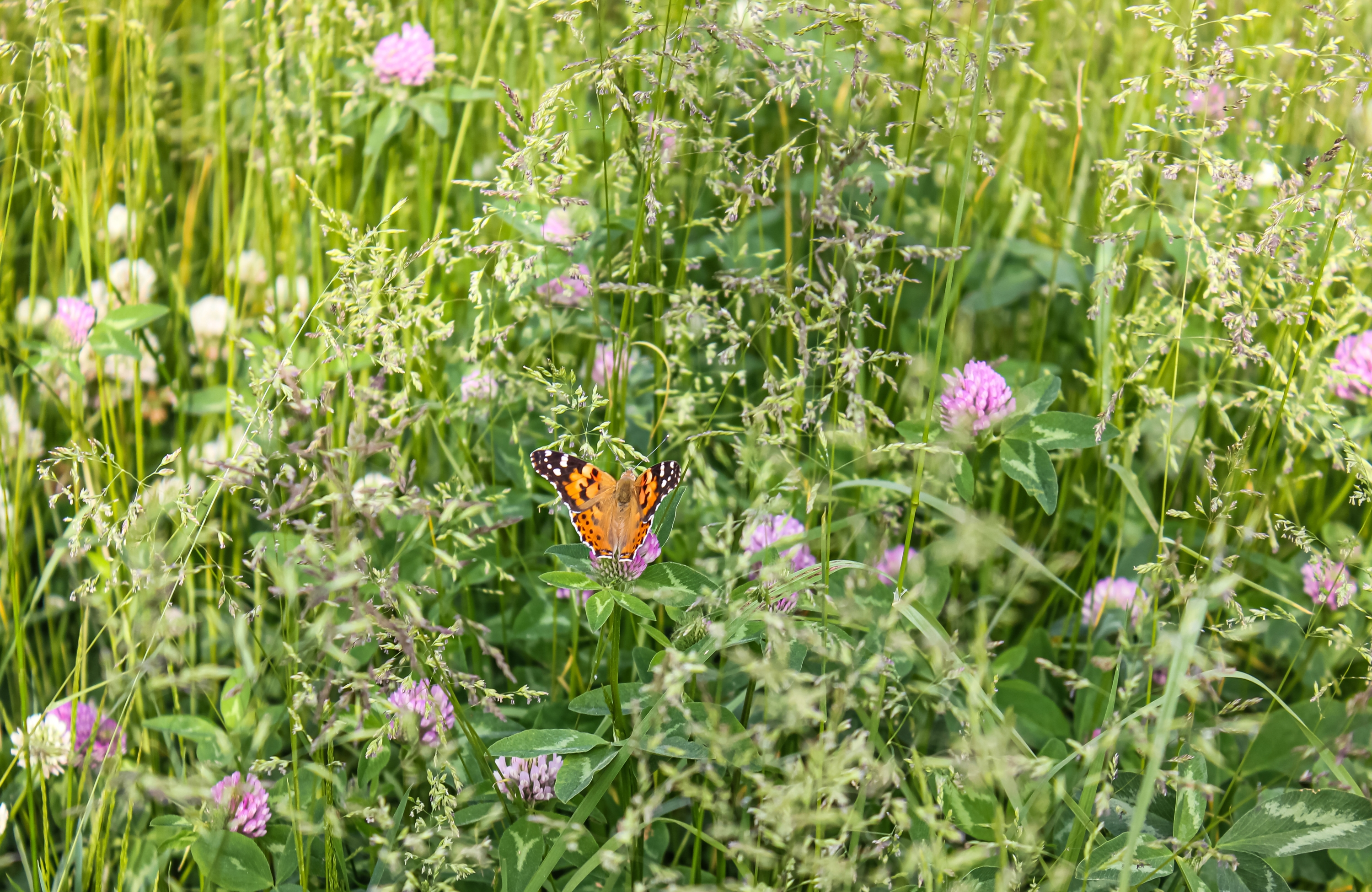
- Naturalized areas will look different from regularly mowed turf. Taller grasses and less uniform vegetation are expected during the growing season.
- Maintenance will continue. The Town will monitor weeds, vegetation, visibility and safety and complete seasonal maintenance as needed.
What Is A “Noxious Weed”?
According to the Province of Alberta’s website include “noxious or prohibited noxious weeds…present significant economic, social or ecological risks” and are provincially regulated. Prohibited noxious weeds pose a serious threat as they spread rapidly and are highly competitive. Alberta’s Weed Control Act states that prohibited noxious weeds must be destroyed and noxious weeds must be controlled.
To see a full list of noxious weeds, please visit the Government of Alberta’s website: www.alberta.ca/provincially-regulated-weeds
Will These Areas Look Different Than Regularly Mowed Spaces?
Yes, Naturalized areas will look different from traditional, regularly mowed turf.
- In these locations, during the growing season, reduced mowing allows vegetation to grow more naturally.
- Growth may appear taller, less uniform, and more natural in appearance
- These areas are still monitored and managed with a focus on safety and noxious weed control
- Where appropriate, and as budget allows, features like trees or benches may be added to enhance the space over time
While these areas may look less manicured than traditional turf, they are intentionally managed to support a more sustainable approach to greenspace care.
What Can I Expect As This Approach Evolves?
The Town is taking a phased approach to naturalization.
Greenspace Naturalization
Current Phase: No Mow + Maintenance Trial
- Regular mowing is reduced or discontinued in select green spaces
- Areas may appear uneven or sparse initially
- Growth will be monitored and managed
- Some weed presence is expected and only noxious and prohibited noxious weeds will be controlled
Future Phases (As Appropriate)
- Additional naturalization methods may be introduced over time
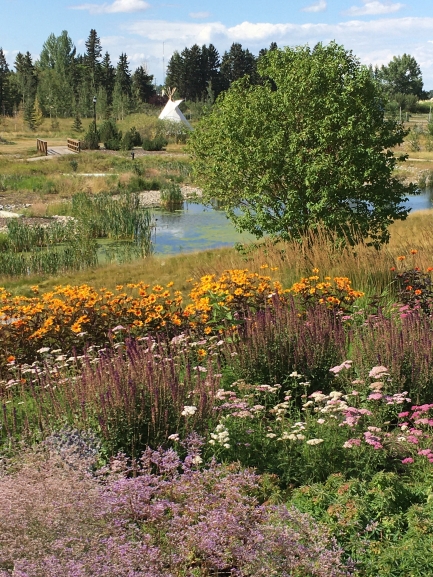
- This may include pollinator-friendly planting, shrub bed adjustments, and other low-maintenance landscaping approaches
- Implementation will depend on site conditions, operational capacity, cost, and community needs
Ongoing Adjustments
- Areas will be selectively maintained as needed
- The Town will continue to monitor and adapt each space over time
- Your feedback matters, submit any concerns through the Town’s Report a Problem webform.
Shrub Bed Naturalization
Initial Transition Phase
- Mulch, borders, and some plants are removed.
- The area is levelled and reseeded with a pollinator friendly ground cover.
- You may see bare soil, patchy growth, or areas that look incomplete at first.
- Maintenance crews will monitor for weeds, water when needed, and reseed as required.
Establishment Phase
- Grass or ground cover begins to fill in more evenly.
- These areas become easier to mow and maintain.
- Any bare spots or weed issues are addressed as part of routine care.
Mature State
- The space blends more naturally with surrounding green areas.
- These zones will be fully integrated into our regular mowing and park care routines.
- The area looks simple, tidy, and consistent with adjacent grass spaces.
Ongoing Adjustments: Some shrub bed areas may need to be reseeded or lightly mowed to control weeds. We’ll keep an eye on how they develop and adapt as needed.
Future Development
As the Town continues to grow, we will look for opportunities to incorporate naturalization and No Mow principles into new developments from the outset, where appropriate.
Encouraging these approaches during the design stage can help create more sustainable landscapes and eliminate the need for future conversion.
Will This Affect Property Values or our Neighbourhood's Look?
We are only naturalizing select low-use or hard-to-maintain areas. These include slopes, out-of-the-way corners, or spaces with difficult mowing conditions.
By making better use of our resources, we can actually improve maintenance levels in high-visibility and high-use areas—leading to better overall care, not less.
What About Weeds—Will They Spread To Nearby Yards?
We prioritize managing noxious and prohibited noxious weeds, which are regulated under Alberta legislation.
These weeds are monitored and addressed using appropriate methods such as hand removal, mowing or mechanical vegetation removal and, if required, targeted herbicide application.
Our approach aligns with provincial best practices for weed control
Other common plants, such as dandelions and non-regulated species, may be present in No Mow areas as part of a more natural growth pattern.
For more information on weed management and plant selection, please refer to the Government of Alberta and Olds College resources (multiple links provided below).
How Are We Managing Safety?
We are taking care to:
- Avoid areas near sports fields and playgrounds
- Maintain sightlines for safety
- Monitor vegetation and remove fire risks if needed
We are working closely with the Olds Fire Department and Parks team to ensure the naturalized areas are safe and well-managed.
Is This Just A Way Of Doing Less Maintenance?
No, this phased approach is about doing maintenance differently, not eliminating it.
-
No Mow Areas
In No Mow areas, regular mowing is discontinued, but these spaces are still actively managed.- Staff continue to monitor for safety concerns and noxious weeds
- Targeted maintenance is completed as needed for safety and weed control
- A once-a-year maintenance cut is being trialled to help manage vegetation, weeds and woody growth
These areas may look less manicured than traditional turf, but they are intentionally managed as part of a more sustainable approach.
- Shrub Bed Naturalization
Shrub bed naturalization involves more active changes to how these spaces are maintained.- Some materials (such as mulch or borders) will be removed and replaced with lower-maintenance ground cover
- Areas will be reseeded or replanted with more sustainable ground cover planting options
- Ongoing care includes monitoring, watering (as needed), and managing weeds during establishment
This process takes time, and some areas may look unfinished during transition. Over time, these spaces become more stable, easier to maintain, and better suited to long-term use.
How Will We Know If It’s Working?
We will track:
- Reductions in maintenance time and costs
- Feedback from residents
- Improvements in local plant health and pollinator activity
These results will help us decide whether to expand or adjust the approach in the future.
What is Needed from the Community?
We’re asking for three things: cooperation, feedback, and patience.
- Cooperation: Please avoid walking or playing in newly seeded areas so the plants can establish.
- Feedback: If you see something concerning—like noxious or prohibited weeds or safety hazards—let us know. We want to respond quickly and responsibly. Fill out the form at www.olds.ca/RAP
- Patience: These areas will take a few years to fill in and mature. This is normal and expected. Think of it as a garden that takes a few seasons to grow in.
We’re inviting residents to share in the care and success of these spaces and celebrate the pollinators - knowing the payoff is both environmental and financial.
Naturalization is one way we’re working toward a more sustainable community. It’s about using resources wisely, protecting the environment, and making decisions that serve the long-term good.
If you’re concerned about an area or have feedback to share, please submit a Report a Problem.